
“Injustice anywhere is a threat to justice everywhere.”
– Martin Luther King Jr.
The Seeds of Failure
It’s been incredibly difficult to write this post. It feels like I’m grappling with live wires, but this is an essential topic to address. Over the past 70 years, the United States has witnessed a series of social movements that have expanded the rights of many oppressed groups. However, the tactics employed by these movements have undergone dramatic shifts. Each movement faced vehement opposition from conservatives, and their successes have been mixed. We now stand at a crossroads. While there’s a renewed push for progress with new strategies, some of these methods have inadvertently sown the seeds of a larger failure. I believe these approaches to be counterproductive and have generated a significant backlash. The reasons behind this are logical and rooted in basic human psychology.
A prime example can be found with attacks on masculinity from the left. The #MeToo movement has shed light on important excesses surrounding masculinity. We have seen masculinity attacked and broadly reviled for good reasons. It has also been a particularly difficult time for young men. The reasons are varied and mostly tangentially related to #MeToo. However, it’s important to remember that healthy masculinity exists. Modern masculinity should be built on respect,empathy, and consent. The use of power and strength should be responsible and used to help those who are weaker.
The #MeToo movement primarily highlighted the misuse of power by some men. There masculinity is a force against the weak leading to sexual violence. Unfortunately, the critique of masculinity has to led many men to embrace a more negative and spiteful form. This is what some might call “pathological masculinity” or toxic masculinity. This is exemplified by figures like Donald Trump (though Joe Rogan, Dana White, and MMA culture can also be seen as reflections of this too). The lack of a compelling alternative from progressives has further complicated the issue. There needs to be a compelling althernative. Without a positive vision of masculinity, many men are drawn to the more aggressive and dangerous traditional form.
“When all Americans are treated as equal, no matter who they are or whom they love, we are all more free.”
— Barack Obama
Online Social Movements
Social movements today increasingly leverage online tactics to achieve equality. These tactics include online attacks, trolling, doxing, and social media campaigns. While these methods can diminish expressions of oppression, they are ultimately harmful. Cancellation, the complete removal of a person from public discourse for expressing a dissenting view, is particularly destructive. While it may feel like a victory for the movement, it sows the seeds of future problems.
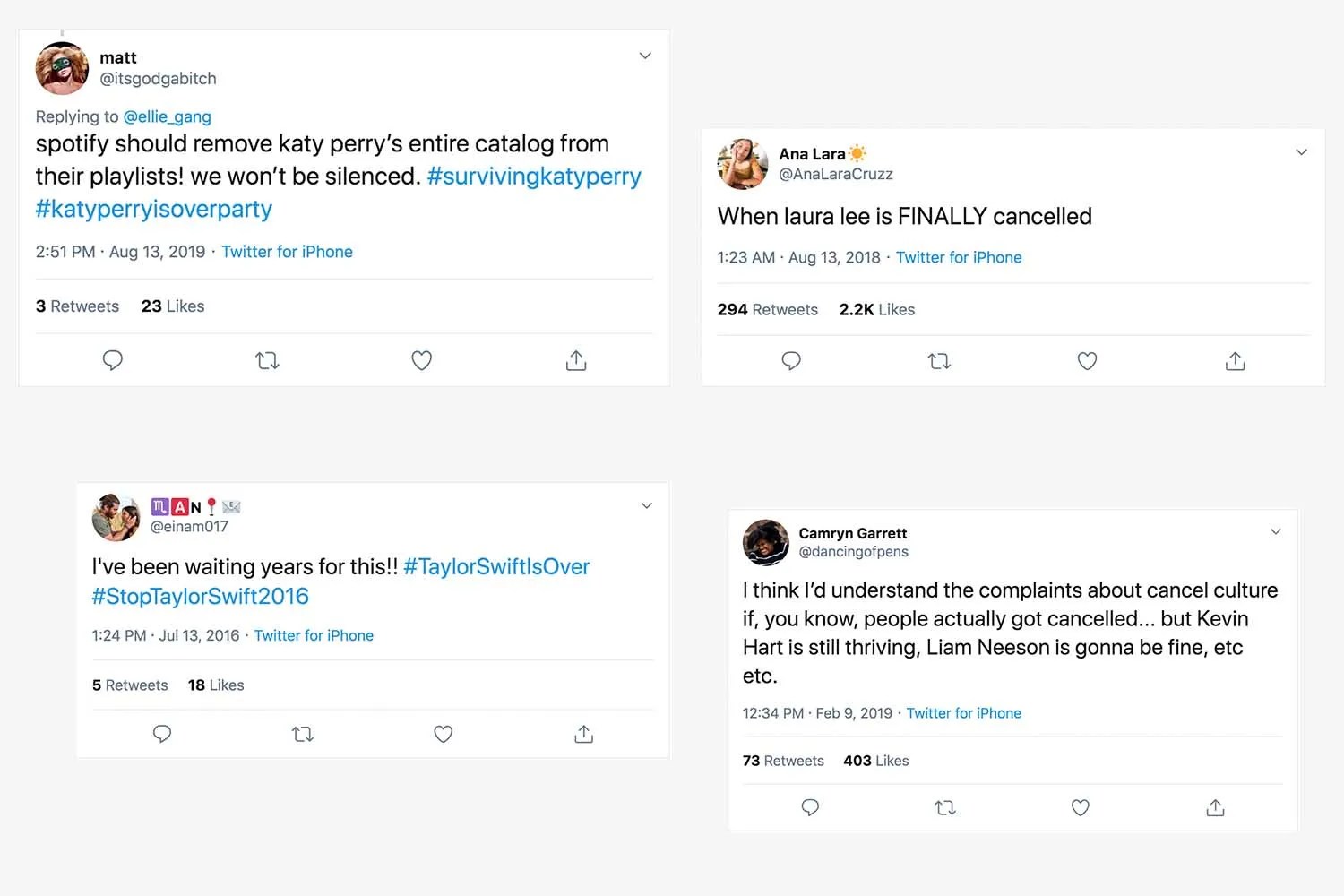
Instead of fostering debate, these tactics shut down opposing ideas. This has several negative consequences.
- First, it undermines the principle of free speech, a cornerstone of a healthy society.
- Second, it casts violators as victims, garnering them sympathy.
- Third, it avoids defeating ideas through logic and reason, relying on force instead.
This reliance on force is a tactic more commonly used by the political right. In many ways it defines the right. It creates enemies rather than allies, and silences those who might be open to progressive ideas. Fear, not persuasion, becomes the tool for change. This fear breeds resistance, leading to the very backlash we are witnessing today.
“Every single American — gay, straight, lesbian, bisexual, transgender — every single American deserves to be treated equally in the eyes of the law and in the eyes of our society. It’s a pretty simple proposition.”
— Barack Obama

This is not to say that conservatives do not use cancellation themselves. The whole book banning and “don’t say gay” approach is cancellation. Anything in the realm of sexuality and sex positivity is cancelled on the right. Just look at the ridiculous ways sex is “hidden” of social media (s3x, fugg, etc). It is outright censorship. They use force and institutions under their control to remove things they oppose. Their approach is terrible in all the same ways as described above. We would all be better off if this approach was abandoned whole cloth by both sides. The violation of free speech principles is an abdication of cherished American ideals. By the same token cancellation is the use of force where the battle should be for ideas and ideals. With the temporary victories of cancellation comes the foundation of backlash.
“The master’s tools will never dismantle the master’s house.”
– Audre Lorde
A Nuanced View
One area where leftist ideology loses ground to the right is its handling of historical figures. When we judge past figures by today’s progressive standards, it weakens the left’s position. Instead of honoring those who started the nation’s progress, the left inadvertently turns them into conservative symbols. This reinforces ideas that undermine progress. The Supreme Court’s use of originalism to restrict rights exemplifies this, treating the Founders’ ideas as eternally valid.
The real truth is that the Founding Fathers were considered extremely progressive in their own time. It’s ironic that their ideas are now used to hinder progress. While they certainly had flaws and made mistakes by modern standards, judging them solely through today’s lens paints an incomplete picture. We should view their nature in today’s terms as a testament to the progress we’ve made.
Essentially, yesterday’s radical progressives resemble today’s conservatives. This should be a source of optimism. It shows how far we’ve come. We should celebrate their contributions to our advancement rather than dismiss them. Additionally,this approach weakens the arguments of those on the left who seem overly critical of past figures. The left just looks like they are attacking and tearing down a hero. Instead any critique should be done with nuance and perspective.
The inability to consider nuance is a common thread across all forms of extremism, both left and right. Most issues surrounding personal rights involve a great deal of individual variation. There’s no one-size-fits-all solution for social problems, especially those related to gender, sexuality, or race. These topics are full of complexities and individual differences. Efforts to impose uniformity are doomed to fail. While the right is known for its one-size-fits-all solutions, it’s a failing strategy for the left as well. Nuance is key to truly accepting individuals as equals.
While I personally support most social movements, empathy and compassion are ultimately the drivers of progress.”Cancel culture” and online language policing are examples of force being used. Force is a tool of oppression, not progress. Progressive social justice cannot be achieved through coercion. Force and social justice are fundamentally incompatible. Empathy is fostered by shared experiences and the desire to understand and be understood by others.Simply forcing people to acknowledge another’s rights leads to a superficial adherence to equality, not lasting change.
True equality comes from believing everyone deserves basic rights. It arises from recognizing that everyone deserves the same rights you do, even if they seem different. The route to this is empathy and compassion growing within opponents of equality. Progressives should acknowledge the progress made while maintaining patience and perspective. There are still many areas needing improvement, and vulnerable populations remain. The right often demonizes specific groups for their own gain, as seen with the shift from targeting gay men as predators to attacking drag queens and transgender people. The gay population is largely accepted by society today, and new targets are needed to fuel the backlash.
A concerning trend in social movements today is the focus on amplifying negativity. Effective social change relies on empathy and compassion, not shame. Shame is a harmful tool, particularly when used to police women’s sexuality. Online shaming tactics, like cancellation and doxxing, are a form of bullying that can lead to real-world violence and destroy lives. A more constructive approach is needed. We must engage with those who hold opposing views, even those deemed problematic. Understanding their perspectives is crucial. Instead of simply dismissing opposing ideas, we should navigate the differences. This fosters growth and allows for the development of new perspectives that can garner wider support. The current strategy of online shaming only creates entrenched opposition and fuels backlash.
“Owning our story and loving ourselves through that process is the bravest thing we’ll ever do.”
— Brené Brown
A Personal Experience
I experienced the power of understanding firsthand during a virtual work meeting a few years ago. It was an icebreaker at the beginning of a meeting, and I was getting to know my new, younger manager. As a natural storyteller, I shared a Thanksgiving anecdote about serving a standing rib roast instead of a traditional turkey. This upset my son who I said felt “gypped.”
Immediately, I sensed a shift. My manager was visibly horrified. Shame washed over me. This was a term I’d used throughout my childhood, completely unaware of its offensive connotation towards the Romani people (often referred to as “gypsies”). I didn’t even know how to spell it correctly – I simply thought it meant “to be cheated.” I’ve come to realize that there was a lot of subtle racism in my upbringing casually offered by relatives.
In that moment, I felt unfairly judged as a racist or an ignorant person. Thankfully, my new manager listened openly. I explained my lack of awareness, and she, in turn, explained the term’s true meaning with compassion. We both approached the situation with empathy and a willingness to learn. We navigated the awkwardness gracefully, and it ultimately fostered a positive working relationship that later blossomed into friendship. This is the power of understanding, empathy, and compassion on both sides.
“Race, gender, religion, sexuality, we are all people and that’s it. We’re all people. We’re all equal.”
― Connor Franta
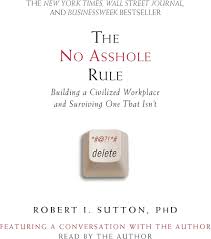
A crucial step towards sustainable progress is following the simple rule of “don’t be an asshole.” Especially online,encountering outrage should prompt you to question its effectiveness. Cancel culture often embodies this negativity and generates asshole behavior.
Understanding your own place in society, particularly if you come from a position of privilege, is essential. Intersectionality, the idea that we all have multiple social identities, is a valuable tool for this. These identities can be visible and obvious, or hidden and nuanced. For example, I am a white, middle-aged male. I have a high level of education and a great job in science. I identify as mostly straight, married, and polyamorous (although socially monogamous).
All these aspects contribute to who I am. Some provide advantages and conformity, while others challenge societal norms and even put me at a disadvantage. Recognizing these disadvantages fosters empathy for those who cannot hide their identities. This empathy is a powerful tool for progress, accessible to almost everyone. This accessibility comes from a place of authenticity, a desirable behavior for everyone to feel.
“We will not win our rights by staying quietly in our closets.”
— Harvey Milk

At its core, my view is that progress requires letting go of force and embracing empathy, understanding, and compassion.Social justice is achieved through better ideas and challenging traditional viewpoints. We need to change hearts and minds, not force compliance. Forceful tactics create a false sense of progress that quickly fades. Real social change is lasting and permanent.
Next week, I’ll return to a technical topic: the power of algorithms in advancing computational performance.








 The Regularized Singularity