• About The Regularized Singularity

The Regularized Singularity

~ The Eyes of a citizen; the voice of the silent

The Regularized Singularity

Monthly Archives: July 2025

American Science is in Free Fall

24 Thursday Jul 2025

Posted by Bill Rider in Uncategorized

≈ 1 Comment

tl;dr

Since the end of World War 2, the United States has led the World in Science and Technology. Today, that leadership is gone. The decline has been decades in the making. That decline has turned into a free fall. In my own work, I have witnessed our almost willful abdication of the throne. As I discovered, this trend was seen across many disciplines. Through a combination of arrogance, mismanagement, and outright incompetence, American supremacy decayed. All of this revolves around a loss of societal focus coupled with waning trust. COVID-19 proved to be a near-death blow to societal support. These trends now combine to see a National suicide pact for scientific superiority under Trump. The lead that had disappeared is now in retreat and absolute surrender.

“Anti-intellectualism has been a constant thread winding its way through our political and cultural life, nurtured by the false notion that democracy means that ‘my ignorance is just as good as your knowledge.’” ― Isaac Asimov

Who was leading a year ago?
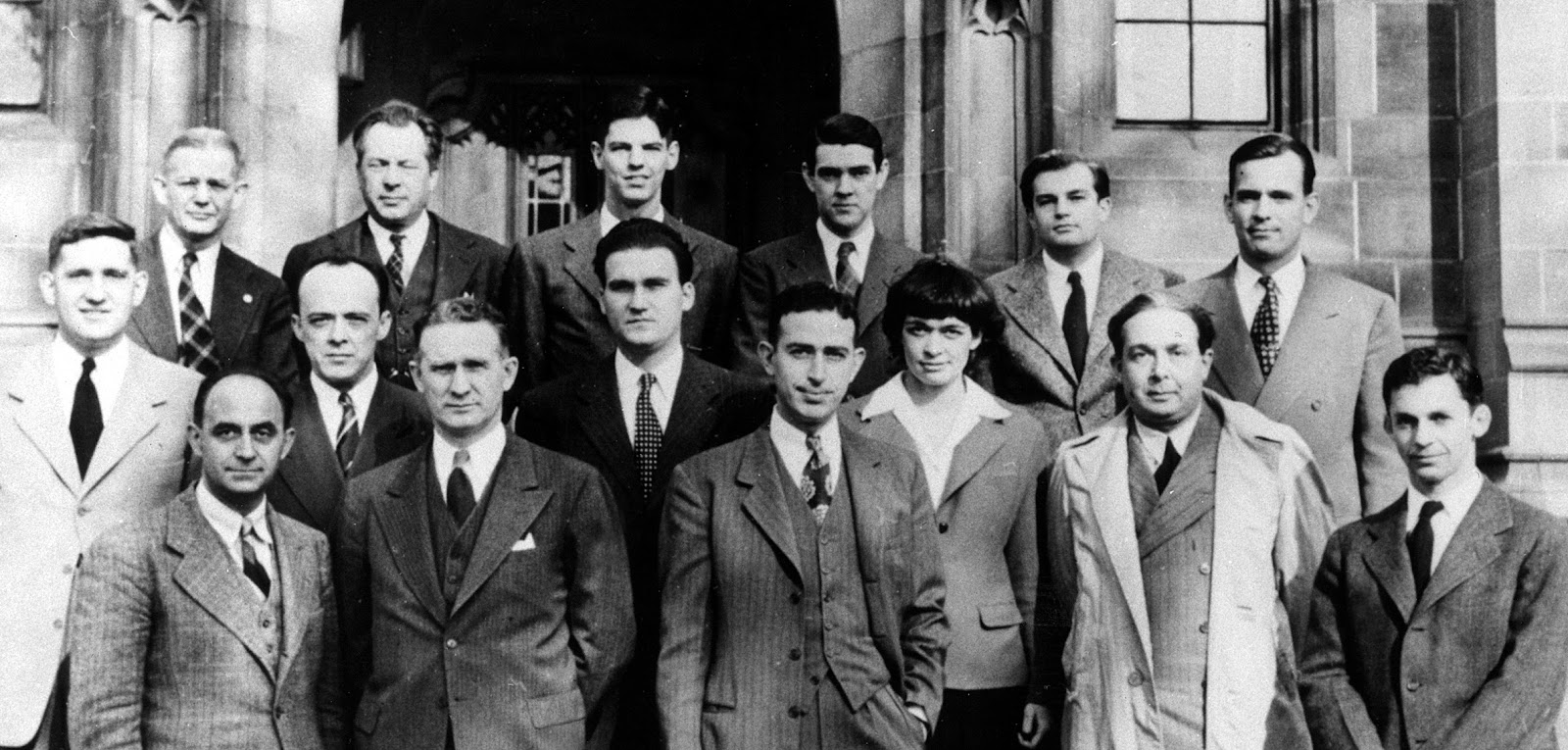
Catalog Number: Fermi Enrico E13Met Lab alumni, 1946. Fermi first row left, Szilard second from right. This team worked with Enrico Fermi during the Second World War in achieving the first self-sustained chain reaction in nuclear energy on December 2, 1942, at Stagg Field, University of Chicago.Credit: Digital Photo Archive, Department of Energy, courtesy AIP Emilio Segre Visual ArchivesCredit: U.S. Department of Energy, Historian’s Office.This image is in the Public Domain.

China was already ahead of the USA before Trump took office. Losing the lead was decades in the making. It is well documented by the Australian Strategic Policy Institute’s in a recent report (https://www.aspi.org.au/report/critical-technology-tracker/). “Who is Leading in Critical Technology” shows that China leads in 37 of 44 important areas. This report confirmed signs I’d been seeing in person for years. China’s ascent was rapid and absolutely stunning to watch. In my own area, they went from laughable to world-class in a little more than a decade. When I spoke to scientists from completely different areas, the story was the same (an area of chemistry specifically).

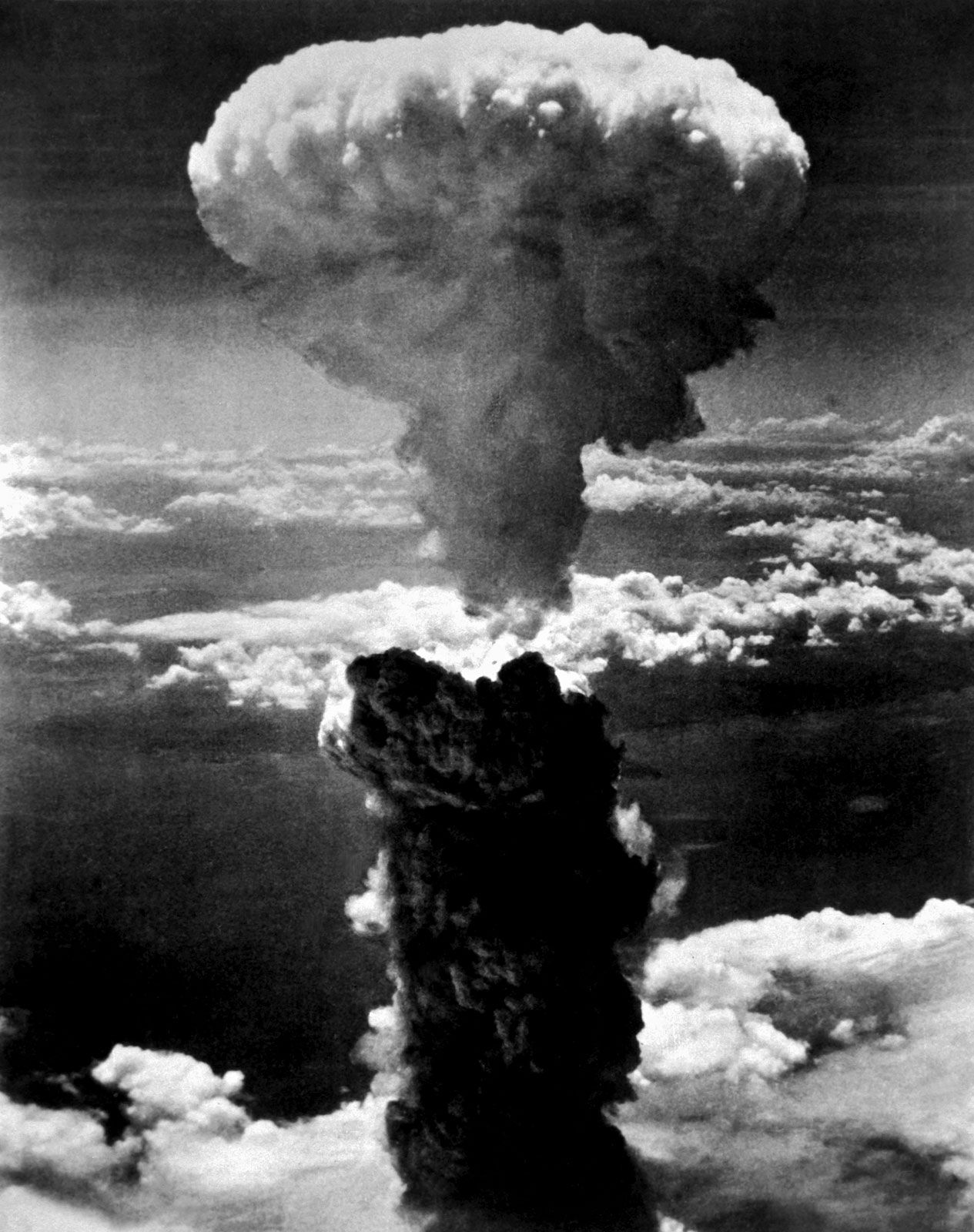
Why did I put this section in this frame? A year ago, the scientific community in the USA was far healthier than it is today. The Trump administration has launched an all-out assault on Science. The core of American science is being slaughtered in plain sight. The top universities in the country are under assault. The key agencies for research funding are being butchered as NIH, NSF, and NASA budgets are being cut by huge amounts. Where the money is going, the science production is highly suspect. This is mostly the defense sector, which already has huge problems.
The upshot is that American science and technology were in poor shape a year ago. The past year has seen the Nation decide to mercy kill it. If we were out of the lead a year ago, we have receded even further. Worse yet, we have no plan or way back. The slow, steady decline of science has turned into a free fall. This is a massive crisis, and American National Security and economic prosperity are in peril. This development puts American lives at risk. It assures that Americans of the future will be poorer and live shorter lives. The loss of scientific supremacy was incompetent, but the current approach is criminal negligence. Rather than fix the underlying problems, the current trajectory is to dig the hole even deeper.

“America says it loves science, but it sure as hell doesn’t want to pay for it.” ― Hope Jahren

What Is Killing Science?
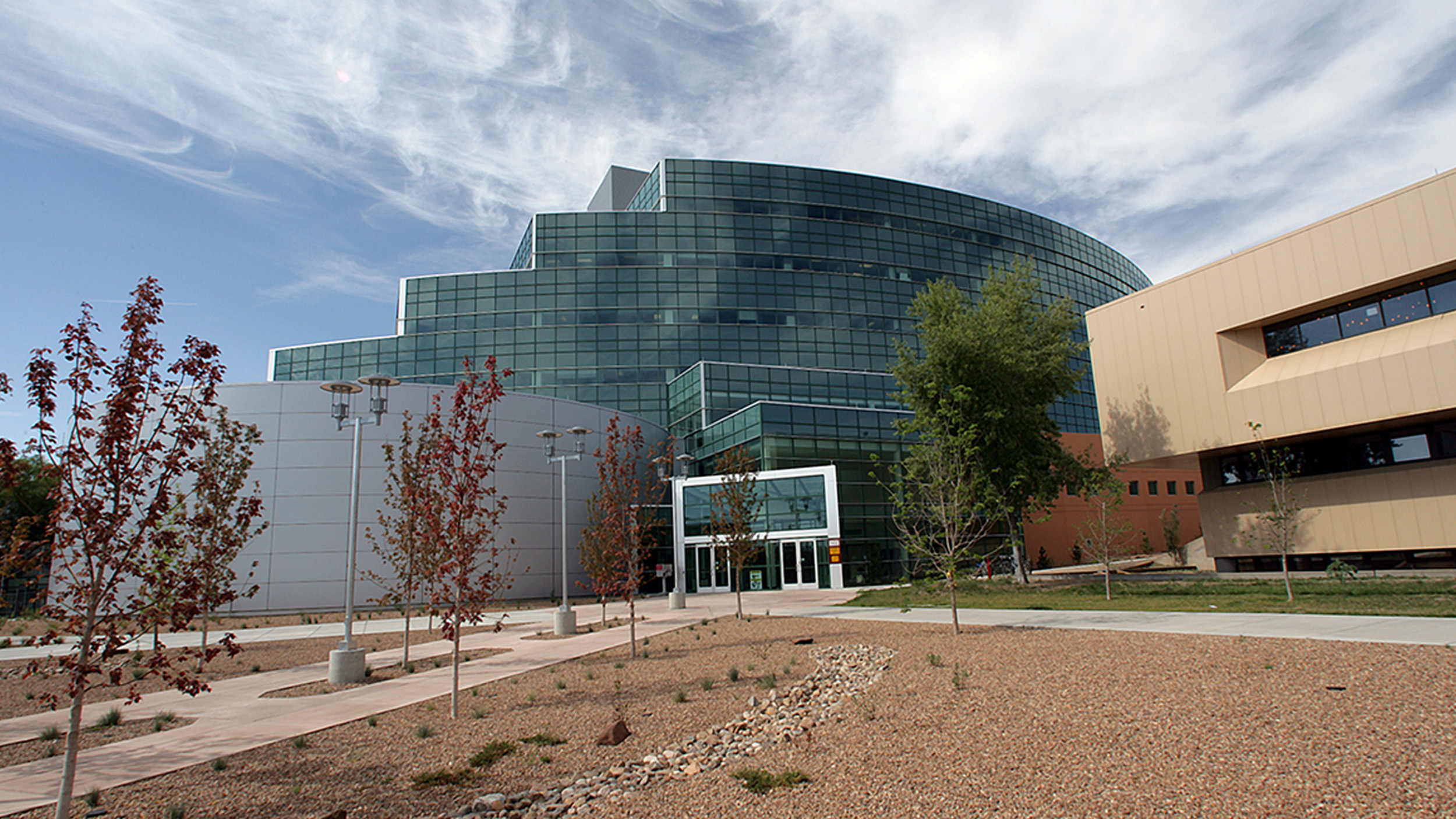
If I look back at my professional life, which spans nearly 40 years, the decline is obvious. It became obvious shortly after I arrived at Los Alamos in 1989. At first, Los Alamos was a godsend, and I felt magnificent. It was a huge upgrade from my University (third-tier New Mexico). Los Alamos would be an upgrade from almost any university, save a select few (Harvard, MIT, Caltech, …). That said, the signs of decline were almost immediately evident. Los Alamos had been in decline since roughly 1980, if not earlier.

(FILES): This April 11, 1979 file photo released by the US National Archives shows a view of the Three Mile Island Nuclear Power Plant near Middletown, Pennsylvania. Nearly 32 years after the March 28, 1979 accident at Three Mile Island, the Fukushima nuclear accident is considered “worse than Three Mile Island, but not as great as Chernobyl,” Andre-Claude Lacoste, head of France’s safety agency, said on March 14, 2011 AFP PHOTO / US NATIONAL ARCHIVES == RESTRICTED TO EDITORIAL USE / MANDATORY CREDIT “AFP PHOTO / US NATIONAL ARCHIVES” / NO MARKETING / NO ADVERTISING CAMPAIGNS / DISTRIBUTED AS A SERVICE TO CLIENTS == (Photo credit should read -/AFP/Getty Images)

As any keen observer of history, 1980 stands out with the election of Reagan and the beginning of an assault against the government. The 1970’s were more likely the origin of the decline with a host of ills from Watergate, the end of the Vietnam War, Love Canal, Three Mile Island, … We felt a collective withdrawal from faith and trust in the Nation represented by the Government. Reagan and the GOP took this into a full-on attack. The trust and confidence in science were part of the decline, as some constraints were placed on science.

Part of the damage Reagan produced came from the ascendancy of the “maximizing shareholder value” philosophy. This became central to American governance, whether in the public or private sector. The use of business principles based on this scarcity approach became how the government worked, too. Thus, the business approach driving massive inequality was applied to science and technology. The other side effect of the greedy business philosophy was the decimation of industrial science. Say goodbye to IBM and AT&T labs, and set the stage for the debacle of Boeing, seen more recently. It is a philosophy that breeds incompetence and fuck-ups. We see the rank and file worker or scientist devalued. Managers are now the valuable ones. Gone are pensions and the value of technical experts.

“The dumbing down of American is most evident in the slow decay of substantive content in the enormously influential media, the 30 second sound bites (now down to 10 seconds or less), lowest common denominator programming, credulous presentations on pseudoscience and superstition, but especially a kind of celebration of ignorance” ― Carl Sagan

This was reflected in Lab leadership and governance, which declined. Reagan also took on the Soviets, and this shielded Los Alamos to some degree. The Star Wars funding also blunted the damage. When the Cold War ended in 1989, marked by the Berlin Wall coming down, the real decline stepped into overdrive. Gradually, all funding support for the defense against Soviet aggression was lost. It was also far less simple than the lack of trust by the Nation also took root. Funding started to come with strings attached and micromanagement by Congress.

This micromanagement has only become worse and has become a slow strangulation of science. The management is being done by people who have little to no business telling the Labs what to do. This is complemented by a host of other dictums in safety and security. Each of these other requirements takes its own pound of flesh. None of them yields any benefit for the Lab’s mission. All of them detract. Each one is a sign of the lack of trust for the Lab. Any minor screwup or failure breeds another useless bit of bureaucracy, training, or overhead. The result is an appalling cost for the Lab’s work and a diminishing effectiveness. Meanwhile, nothing is done to push in the opposite direction.

The consequence is a decline in science. Los Alamos and the other NNSA labs are bastions of competence and accomplishment to much of the rest of science. NASA and the Defense Labs are far worse and have taken a bigger fall from the heights. Despite vast sums of money, Defense Labs are terrible. They rely on crap technology from NNSA labs and can’t produce anything better. Universities are not immune either. We see less accomplishment and increased costs everywhere. The result is American science and technology losing its lead internationally. This retreat was steady and gradual until now. This year, we handed the crown to China with a virtual abdication.

“But you see, a rich country like America can perhaps afford to be stupid.” ― Barack Obama

Who is leading now?

As noted above, China now leads, and the USA may now be behind Europe as well once the Trump Administration’s carnage takes hold. I watched this play out in my area of expertise, Shock Physics. I am an expert in solving the equations of fluid dynamics, especially with shock waves. It is a key and essential science needed in defense science and nuclear weapons. I have always paid attention to the work around the world. Europeans have always been very good. If I go back 15-20 years, the Chinese were modestly to laughably competent. Their papers weren’t very good at all. Over a decade, this changed. All of a sudden, after 2015, something changed. Their work was great. It was as good or better than anything in the West.

A bunch of us from the Western nuclear weapons labs attended a meeting in 2018. It was ECCOMAS in Glasgow, Scotland. We saw the impressive Chinese work in person. We were all in agreement about how impressive it was. We saw talk after talk of world-class work, including efforts that exceeded what was going on at our Labs. Soon after, I had the opportunity to engage our federal program manager. I felt like it was essential to point this out to them. The response was utter and complete indifference. Basically, they could not give a single fuck about the newfound Chinese lead in shock physics. So the USA is fucked.

63 Defense laboratories and engineering centers with ~40,000 scientists and engineers in 22 states and the District of Columbia.

Let’s talk a bit about just how fucked we are. There is a shock code that is used broadly across the American National security establishment. It comes from an NNSA lab, and is used by another Lab, but extensively by DoD. It is this DoD connection that illustrates vividly how fucked we are. Let me remind you that the DoD budget is now over a trillion dollars. Yet for this vast amount of money and copious funding for decades, the DoD can’t make a shock code worth a shit. This code they all use is an abomination. This abomination is better than anything they could make, which is nothing. Easy to use and lots of models, plus it runs fast on computers (although its character is threatened there being a Fortran code). Worse yet, the code was written when I was graduating from high school (class of ’82! Go Eagles!). It includes 1982 technology and none of the vast improvements since. To me, this is unacceptable, but to the USA, this is just what we do. So we are fucked.
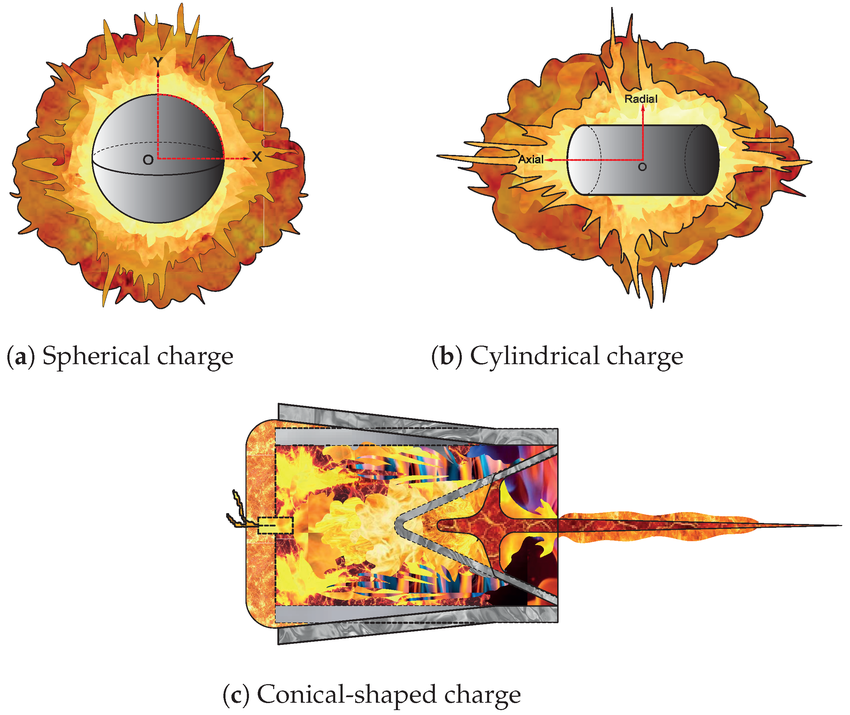
This was not a sudden event. It was years in the making. On the one hand, you had mismanagement, poor investment, and different priorities in the USA. This was countered by focused support and radical progress in China. The USA simply stopped striving and allowed the tools to dull. We focused on big computers instead of a balance of computers with codes, methods, and mathematics. We quit doing the things that brought us the lead in the first place. The Chinese did. The USA simply surrendered, not intentionally, but by lack of care mixed with arrogance. We lost a key area of defense science that we invented. This was done by the same indifference and lack of giving fucks I encountered.

“Scientists and inventors of the USA (especially in the so-called “blue state” that voted overwhelmingly against Trump) have to think long and hard whether they want to continue research that will help their government remain the world’s superpower. All the scientists who worked in and for Germany in the 1930s lived to regret that they directly helped a sociopath like Hitler harm millions of people. Let us not repeat the same mistakes over and over again.” ― Piero Scaruffi

As other professionals have told me, this is not limited to shock physics. I talked to a distinguished Oak Ridge Chemist at a cocktail party. He told me the same story in his area. Marginal competence followed by a rapid ascent to superiority. The Australian study noted at the beginning highlights this happening in area after area. These stories are not isolated; the problems are systematic. This was the result of two forces working in concert. American decline and incompetence, together with Chinese focus, investment, and endeavor. Our decline is the product of decades of malpractice. Current policy is not fixing the problems, but adding malice and outright negligence to the problems.

What is at stake?

“Science and technology are the engines of prosperity. Of course, one is free to ignore science and technology, but only at your peril. The world does not stand still because you are reading a religious text. If you do not master the latest in science and technology, then your competitors will.” ― Michio Kaku

The stakes for the USA and the World are huge. For most Americans, the most obvious impact is national security. This feels the highest leverage for pushing back. Ever since World War 2, scientific supremacy has been essential for National defense. Scientific power with nuclear weapons replaced industrial capacity for effective war-making. As drones, robots, and AI become more central, this becomes even more compelling. We already have nuclear weapons and their science as a huge leverage point for science and technology. It is precisely the moment in history when the danger feels maximized. In this moment, American supremacy is disappearing. Future Americans will be less safe and less free.

“The progress and perfection of mathematics are linked closely with the prosperity of the state.” ― Carl Sagan

The signs are more troubling than most realize. Take our industrial base in the form of aerospace. Boeing used to be the apex of engineering in the USA. Greed and short-term focus have annihilated the company’s prowess, seeding a host of disasters. This also hints at another loss from incompetent science, our prosperity. Defense science has been the root of much of our economy today. Just take the internet, a product of a DARPA project amid the Cold War. Now it has become the central backbone of the international economy. The future “internet” and tomorrow’s economy are much more likely to come from elsewhere. Future Americans will be poorer for this. The damning fact is that this is almost entirely self-inflicted.

We are amid vast and over-the-top AI hype. Every fucking Lab is going ape shit over AI. I agree that the current moment is a big deal. The real reason the Labs are all gaga about AI is all about lots of money. Intellectually, almost no one is meeting the moment. The idea space for AI within government is close to the empty set. All this money is going to efforts to apply AI to our mission space. That said, the strategy is abysmal.

Like efforts before this in computational science, the strategy is computer-heavy and thinking-light. It has the intellectual depth of a rain puddle in my driveway. The whole moment with LLMs is grounded on an algorithm improvement. The next big step for AI will be algorithm improvement. The level of advances coming from hardware and data has a very low ceiling, but it is easy. We are taking this easy, simple path, and we will hit the wall. This is the same shallow blueprint we used to hand over computational science to the Chinese.

This will create the next AI winter unless discoveries are made. Worse yet and more dangerously, the next breakthrough won’t likely happen in the USA. It could, but probably not. China is the likely place for this. When they do, China will own the AI future. This may be their route to owning the economic and national security future, too. The incompetence of our leadership is paving the way for their dominance. They do this one stupid and short-term decision at a time. The writing is on the Wall, the future will be Chinese and not American. If we were paying attention instead of bullshitting ourselves about how great we are, this could be stopped. Instead, we are destroying science in the USA and creating an environment where we can’t win.

“For Fauci, science was a self-correcting compass, always pointed at the truth. For Trump, the truth was Play-doh, and he could twist it to fit the shape of his desire.” ― Lawrence Wright

The benefits of science have a massive impact on our health. The fruits of science allow us to live longer and better. This comes from medicines and therapies of all sorts. The backlash after the COVID pandemic is destroying the medical advances and science in the USA. This is the apex of withdrawn trust in science and the road to suffering and death for many. Future Americans will die needlessly. They already are, as Americans reject vaccines. It is pure ignorance. It is another self-inflicted wound that will harm the Nation for the foreseeable future. All of it coming from a lack of trust and some degree of irresponsible arrogance. It is combined with the amoral profit motive governing American medicine. Together, this is literally toxic to the health of Americans.

“It is my hope that this short book will remind all Americans that blind faith in authority is a feature of religion and autocracy, but not of science nor democracy.” ― Robert F. Kennedy Jr.

To go one level deeper, we can examine the roots of this. At the core of our problem is a rejection of expertise. The key aspect is the common thread of American dysfunction, lack of trust. This lack of trust has become a feature of America. This stems from a belief that everyone is out for themselves. No one is committed to anyone but themselves. Left to their own devices, people will choose greed. Self-interest is the core creed of America. One should ask what values any American would sacrifice for others or the good of the Nation. Can you have anything that is real patriotism when you don’t trust your fellow citizens? This ultimately is the root of our decline and may destroy the nation as it has destroyed science.

“Facts do not cease to exist because they are ignored.” ― Aldous Huxley
The Dangers of Finite Thinking

19 Saturday Jul 2025

Posted by Bill Rider in Uncategorized

≈ Leave a comment

tl;dr

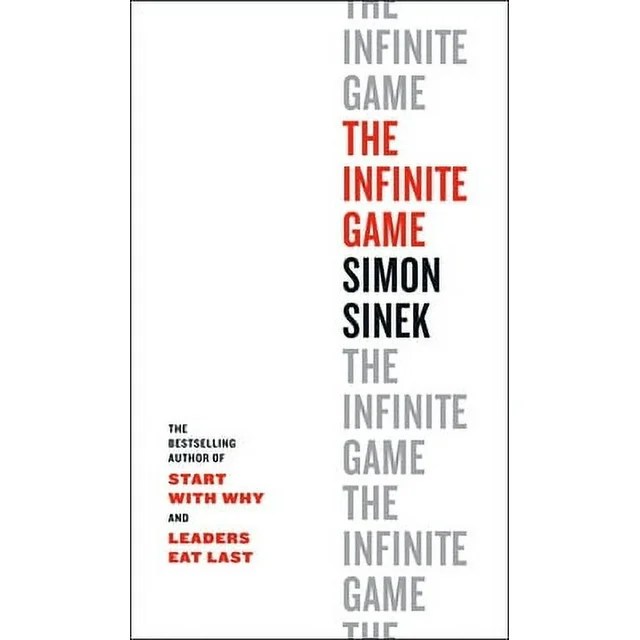
Reading a book at the right time and place is a special gift to one’s life. I took a long weekend with a drive and listened to Simon Sinek’s “The Infinite Game.” It crystallized so much about my workplace, my country, and what is going wrong with both. Sinek writes about two mindsets: one that embraces scarcity and another that embraces abundance. He relates these to game theory. Scarcity is connected to the finite game with winners and losers. Abundance is related to the infinite game. An infinite game never ends, and everyone can win. It should come as no surprise that today’s world is dominated by the finite game’s scarcity. This mindset is the foundation of so much of what ails society. It explains a lot of terrible behavior by our “leaders.”

“To ask, “What’s best for me” is finite thinking. To ask, “What’s best for us” is infinite thinking.” ― Simon Sinek

Listening to a Great Book

On a recent long weekend, my wife and I took a road trip to Moab, Utah. It is about a six-hour drive. We decided to listen to a book on Audible, and she let me pick. I chose a book by Simon Sinek. The Infinite Game. To my surprise, my wife thought the choice was inspired. Both of us were transfixed by the narrative as the ideas poured from the “pages” of the book. We found the concepts to have immense relevance and explanatory power for today’s World. I began to see the ideas living in our politics and my work. Much of this is grounded in how powerfully the finite thinking defines everything in sight.

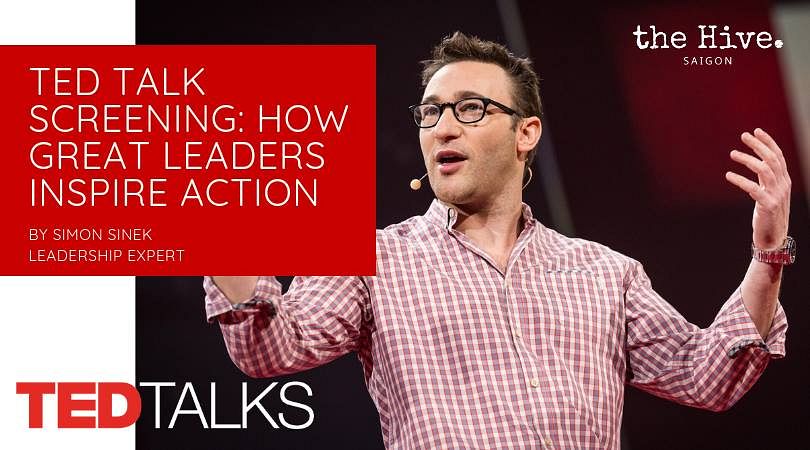
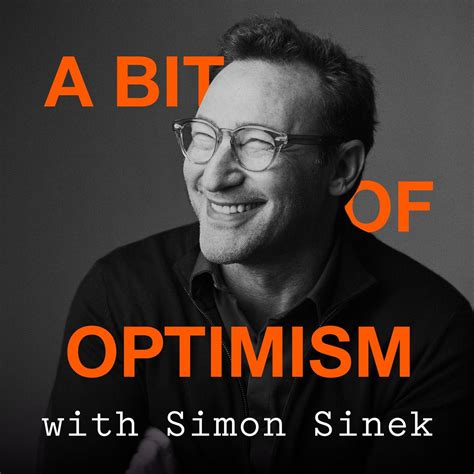
I was familiar with Simon Sinek from multiple sources. He has a weekly podcast, which often provides compelling content. His TED talks are great. He is a phenomenal public speaker. His messages are positive and compelling. I feel like they’re what I need to hear. I’d been introduced to the topic of this book from his podcast, which spurred me to buy the book. The trip felt like a great opportunity to finally read the whole thing. Its a good way to make the driving fly by, and hear new ideas while doing it.

As expected, Simon’s ideas in the book are inspiring. He weaves the narrative and viewpoint in both compelling and attractive ways. They crystallize a perspective that has profound explanatory power. Some themes reign over the modern World we all live in. Our time is immensely troubling, and much of what is bothersome has commonality. In listening and understanding the concepts of finite or infinite thinking, we started to see some explanations. The point in the book that hit us hardest is the description of finite thinking’s impact on ethics. He notes that finite thinking breeds ethical lapses. It destroys trust. These ethical lapses and loss of trust seem to be a common unifying thread in society.

“To ask, “What’s best for me” is finite thinking. To ask, “What’s best for us” is infinite thinking.” ― Simon Sinek

He thoughtfully points a finger at the origin of this mindset. The ideas of Milton Friedman about business have taken over. This is the idea that the only job of a business is to maximize shareholder value. It becomes greed that drives decisions. A core philosophy that has taken control of society. We live in a selfish, self-centered time. This idea has reshaped business and government, becoming a central organizing theme. The government has chosen business ideas to improve its performance (incorrectly, I believe). Sinek points out that this idea is all about finite thinking and is relentlessly short-term focused. Friedman’s ideas have also driven a host of related problems. To make everything worse, finite thinking is central in relationships, government and politics, science and technology. It is absolutely toxic. Focusing on the short term has created many long-term problems.

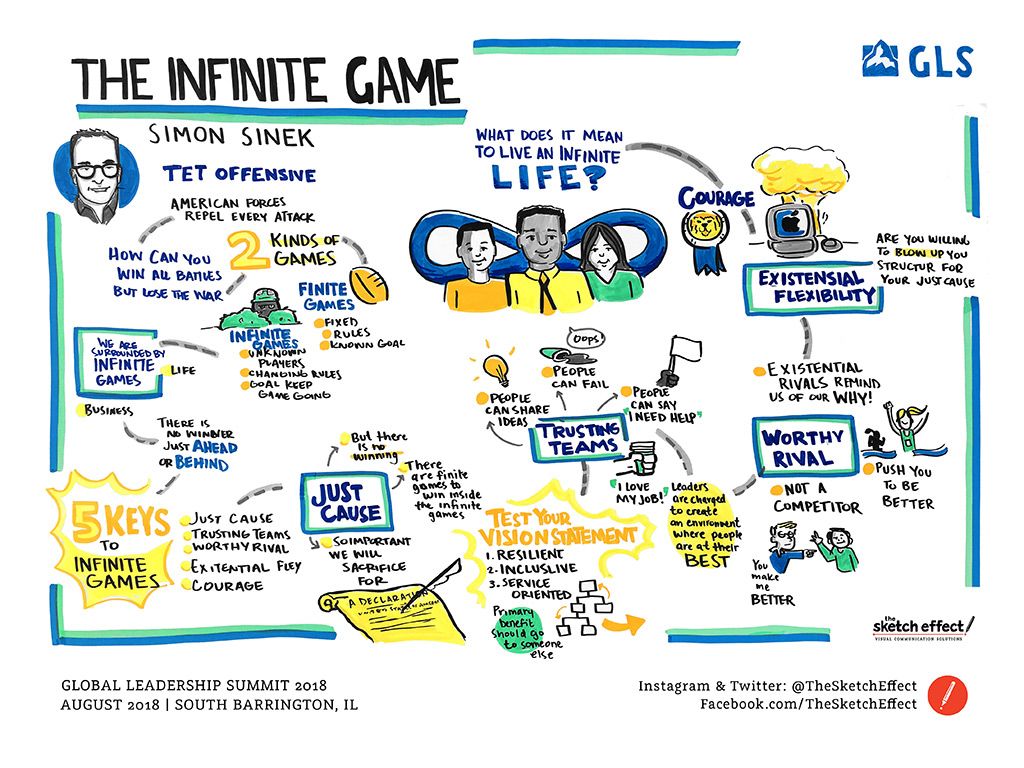
Before digging into some details, I should explain the meaning of finite or infinite thinking or games. Both of these ideas come from game theory, a powerful mental model useful for analyzing the World. The usual game people think of is a finite game. These are games with winners and losers. There is a limit on the stakes of a game, and typically, you have a single winner. A stalemate is possible, too (although Americans don’t deal well with ties).

“I am favor of cutting taxes under any circumstances and for any excuse, for any reason, whenever it’s possible.” ― Milton Friedman

By contrast, infinite games do not have winners or a defined end. The simplest way to think about infinite thinking is to play. Play is something that goes on for an indeterminate time, and you don’t keep score. Infinite thinking is open-ended and encourages creativity. It is also an underemphasized organizing principle for business. It is definitely a more appropriate principle for government and politics. It is also far better for most of our personal relationships. Operating a relationship as a finite game is transactional and superficial. It leads to abuse and consent violations.

“Culture = Values + Behavior” ― Simon Sinek

Infinite Games

“Working hard for something we don’t care about is called stress: Working hard for something we love is called passion.” ― Simon Sinek

The first thing to take note of with an infinite game is that is much more pleasant and inspiring. Infinite games are something that inspires passion and boundless ambition. I’ve noted that various infinite games are child’s play. Marriage is an infinite game. If you are trying to win your marriage (or relationship), it is the road to failure. Instead, a good relationship is built by playing off each other, and losing the sense of bounds on success. Sex should be an infinite game. When it’s finite (like orgasm focus), the sex is usually bad (or much worse for one of the people).

In business, the infinite game takes the role of a business with a core purpose. The business is about producing something of immense value. More importantly, that thing of value is always a little out of reach, but the process of striving for it is powerful. This pursuit naturally produces profit and success. For government functions producing good for society, this should be a natural fit. In the United States, it is the sense of pursuing a “more perfect union” that is never reached. This idea had powered the expansion of personal rights that characterized the Century after the Civil War. For institutions like those I’ve worked for, the infinite mindset is far more beneficial. It is the pursuit of principles and aims that transcend measurement. I’ve worked in National security all my life. It is work that is never done or never good enough, but can be done very well.

The benefits of infinite thinking are immense. The key is the morale and passion of the workforce. There is a clear “true North” for the entire company (organization). The workforce is energized and believes in the vision, working tirelessly toward it. The long-term approach is never sacrificed. The tactical short-term view never overwhelms and kills the company’s direction. There are clear and seamless priorities that guide decisions. Another less well-known benefit is better ethics as a result, too. Given the dearth of ethics today, that would help a lot. Bad ethics simply erode trust and produce a downward spiral. A spiral we are in the midst of.

“two ways to influence human behavior: you can manipulate it or you can inspire it.” ― Simon Sinek

Apple Computer is an archetype of this sort of thinking. At the same time, this has led to incredible products and vast profits. There were other examples, such as Eastman-Kodak, which did well while they had an infinite mindset. Then this mindset is dropped, and the company implodes. The infinite thinking guides a business through success and failure and keeps attention to the long term. Sinek calls this vision the “just cause” that centers company culture. This long-term vision can be lost at leadership changes. When finite thinking takes over, the vision is lost. The short term takes over, and the company often begins to die.

Infinite games are about pursuit of abundance with few limits on the benefits. The only limits are imposed by creativity and the laws of physics. Rather than cut of the pie, the focus is to grow the pie. The pursuit happens with defined bounds and a narrow focus, but with no ceiling.

“A Just Cause must be: For something—affirmative and optimistic Inclusive—open to all those who would like to contribute Service oriented—for the primary benefit of others Resilient—able to endure political, technological and cultural change Idealistic—big, bold and ultimately unachievable” ― Simon Sinek

Finite Games

“There is one and only one social responsibility of business–to use it resources and engage in activities designed to increase its profits so long as it stays within the rules of the game, which is to say, engages in open and free competition without deception or fraud” ― Milton Friedman

Finite games are all about winners and losers. The core concept is one of scarcity. As noted above, the prevalence of finite thinking is all driven by the philosophy of Milton Friedman. Sinek goes on to explain all the ills that this mindset breeds. The vast inequality in society today is a direct result of it. The relentless short-term focus that defines everything today, from the stock market to government spending. It defines politics, too. We are run by the winners and losers mindset. It also powers the lack of trust in society and the questionable ethics. If the mindset were simply applied to business, this would be bad enough; it is everywhere. It runs society, and does so badly.

Classical sports competitions are the exemplar of finite games. Americans tend to have problems with games that allow draws. Basketball, football, and baseball all almost invariably have winners and losers in every game. Football has almost eliminated ties as a possibility. This means the outcome is binary. It also encourages cheating (not that soccer/futbal doesn’t have some too, FIFA is corrupt to the core). We’ve had scandals in recent years from pro and college football (the Patriots, anyone?), and the Astros from Major League Baseball. In many ways, this concept is innate in the character of the nation. We fail to recognize the limits and downsides to this organizing philosophy.

When I look at the research institutions I work at or am aware of, finite thinking is everywhere. Our programs have adopted the same short-term focus as business. Everything is revolving around the stupid idea of the quarterly report. We need to apply the business concept of earned value to research. It isn’t even a reasonable idea; it is a moronic one. This short-term focus has simply brought the research in the USA down. Worse yet, the finite thinking corrupts leaders into hollow shells.

“Infinite-minded leaders understand that ‘best’ is not a permanent state. Instead, they strive to be “better.” “Better” suggests a journey of constant improvement and makes us feel like we are being invited to contribute our talents and energies to make progress in that journey.” ― Simon Sinek

As noted above, one of the key aspects of finite games is cheating. Taken more broadly, these are encouragements of ethical lapses. In business, this looks like price controls, stock buybacks, and monopolistic practices. You see the excuse of maximizing shareholder value as the one-size-fits-all explanation. It works if the lens for observation is the stock market. Meanwhile, the company is destroying its customer base, trust, and employee morale. Sometimes, the drive to maximize the output of employees drives them to do unethical things. A stark example is Wells Fargo with fake customer accounts. This includes the management and executives of the company looking the other way multiple times. The way I see it manifest at non-profits is different, but related.

“In weak cultures, people find safety in the rules. This is why we get bureaucrats. They believe a strict adherence to the rules provides them with job security. And in the process, they do damage to the trust inside and outside the organization. In strong cultures, people find safety in relationships. Strong relationships are the foundation of high-performing teams. And all high-performing teams start with trust.” ― Simon Sinek

How Finite Thinking Creates Terrible Leaders

“When leaders are willing to prioritize trust over performance, performance almost always follows.” ― Simon Sinek

One of the key things that the differences in thinking impact is leadership. Finite thinking creates awful leaders. It can even distort people with good capacity for leadership and ruin them (I’ve seen it a lot). Infinite thinking is necessary for great leadership. By no means does it assure it, but it is necessary for greatness. With everything adhering to finite thinking these days, leadership is in crisis. This comes from multiple aspects of finite thinking: the belief of scarcity, win-lose philosophy, short-term focus, and ethics. Conversely, infinite thinking draws on abundance, win-win, long-term strategic perspective, and ethics, bringing trust. The differences should be obvious to all.

“Leadership is about integrity, honesty and accountability. All components of trust.” ― Simon Sinek

When I look at leadership today I see little integrity or honesty. There is absolute rejection of accountability. Anyone who points out a problem is treated as the enemy (i.e., shoot the messenger). I would offer the stark example of the Governor of Texas and the President when asked about a warning system after the recent floods. In both cases, they attacked the questioners as “losers” or “evil” rather than answer the obvious question. This is a rejection of accountability. The leader reflects back an almost pathological lack of trust for those they lead. It might be most accurate to say the leaders actually treat those below them with outright contempt.

This is obvious in the National political leadership, whether you look at the White House, Congress or the Courts. It isn’t everyone there, but it is the dominant behavior. The same trend appears in local politics. At my work it is typical behavior. It creates an awful environment. It creates the outcome of failing American science. I know many of the Lab leaders personally and many great people. The finite thinking crushes their potential to be great leaders (the great ones they should be).

“The best way to drive performance in an organization is to create an environment in which information can flow freely, mistakes can be highlighted and help can be offered and received.” ― Simon Sinek

It is useful to explain how this can happen. One of the major engines of dysfunction is fighting over money. This leads to backstabbing, unethical behavior, and decision-making that murders the long term. It leads to micromanagement and control. Information is hidden or withheld. If you bring them bad news, they shoot the messenger. In the wake of this is the destruction of trust. Managers act with little or no ethics but justify it by “the rules”. In this world, information is power, and it is parceled out. Doing the right thing is never the focus of decision-making. The right thing is always associated with the best money outcome.

All of this leads to an ineffective, short-term focus. It creates a toxic and ineffective organization. The one core element is a complete lack of trust. Ethics is messaged and in name only. Horrible behavior is allowed because the managers write the rules to allow their ethical lapses to be organizationally accepted. All of this stems from the application of finite thinking to managing everything. It is ruining our competence in science. It is ruining the Nation.

“Some in management positions operate as if they are in a tree of monkeys. They make sure that everyone at the top of the tree looking down sees only smiles. But all too often, those at the bottom looking up see only asses.” ― Simon Sinek

Next time, I will discuss how this short-term thinking has destroyed the advantage the USA once had in science and technology. It is clear now that China is in the lead. We gave it up through our own incompetence. Recent actions by the government are making sure the American decline is permanent and irreversible.

The Deeper Analogy of Algorithms As Recipes

09 Wednesday Jul 2025

Posted by Bill Rider in Uncategorized

≈ Leave a comment

TL;DR

Algorithms are like recipes for data. Algorithms take different forms. Some are basic and utilitarian, while others transform science or society. In a similar vein, there are many types of recipes. Some are the basics of human nutrition. Others are transformational and provide an almost spiritual experience. New creative recipes can make dining a different experience. In both cases, technology plays a huge role in driving or being utilized. In computing, the form and details of computers are essential. They constrain the amount of data or the form it takes. In cooking, the instruments and implements of preparation open possibilities. As do the means of cooking, providing endless creativity. This analogy is powerful in explaining algorithms to the uninitiated. It is also a far deeper analogy than usually expressed.

“An algorithm is like a recipe.” ― Muhammad Waseem

An Imperfect, but Useful Analogy

The analogy of an algorithm as a recipe is common but useful. As I will discuss, the parallels of thought involving recipes for food and algorithms for data are broader than one might think initially. As recipes and dishes for cooking are commonly experienced, it works to explain algorithms to a broad audience. Let’s go through the basic elements, and then go beyond the usual narrative. I’ll briefly repeat the usual pieces of the analogy, then go a step or two deeper.

The deeper elements can touch on culture. For recipes, this is obvious as food is an expression of local culture. Algorithms are an expression of scientific culture and priorities. Their importance or lack thereof says a lot about scientific culture. Food culture is intimately related to societal and ethnic influences. It finds inspiration and influence from history. Think of how Italian food is influenced by the imported tomato today. As ingredients, spices, and flavors became available, the food changed and incorporated it. Knowledge, science and cooking techniques have transformed what we eat.

Algorithms are impacted by the scientific culture. Technology has a huge influence. The computer has influenced all of science and produced new areas of science. Information technology has become a central force in all of science. At the core of all this scientific advancement is the algorithm. The algorithm is the vehicle to take the computational engine of the computer into a useful tool for science. By the same token, the culture of science is reflected. In some areas, the algorithmic advances have largely ceased. This reflects the difficulty in funding creative work that leads to many failures between breakthroughs. A drought in algorithmic progress reflects deep issues with how the culture of science is working.

“I read recipes the same way I read science fiction. I get to the end and say to myself “well, that’s not going to happen” ― Rita Rudner

An algorithm works on a computer and operates on data. The kitchen is the realm of recipes, and they operate on ingredients. In many cases, the data needs to be prepared and transformed from its original form before the algorithm operates. Recipes do the same to ingredients. Often, these transformations are key aspects of the instructions. The order of instructions matters in both cases where parts of the solution sequence are immutable. Other parts of the instructions can be changed. They can be conducted in parallel or re-ordered to good effect. This is true of food and computing. A key part of being a chef or scientist is knowing how to make these decisions.

“In algorithms, as in life, persistence usually pays off.” ― Steven S. Skiena

Manipulating data in an array must be done in a certain order. In the same vein, slicing and dicing ingredients must proceed before adding them to the cooking dish. You do have options in the details and ordering in many cases. A key aspect of both cooking and computing is knowing when steps are equivalent. What steps can be reordered and which must be executed in lock step with the recipe? The real genius of algorithms or recipes is how data/ingredients are transformed. The magic is taking something from one form and moving to another with a completely different character. Just as a recipe is a way of drawing out and mixing flavors, an algorithm can draw out the utility and use of data. Data can be understood differently through transformations achieved by the algorithms. New purposes can emerge just as new recipes flow from old standards.

“Algorithm is arguably the single most important concept in our modern world. If we want to understand our life and our future, we should make every effort to understand what an algorithm is and how algorithms are connected to their use. An algorithm is a methodical set of steps that can be used to make calculations, resolve problems, and reach decisions. An algorithm isn’t a particular calculation, but the method followed when making the calculation. For example, if you want to calculate the average between two numbers, you can use a simple algorithm. The algorithm says: ‘First step: add the two numbers together. Second step: divide the sum by two.’ When you enter the numbers 4 and 8, you get 6. When you enter 117 and 231, you get 174.” ― Yuval Noah Harari

The Role of Technology

“I guess love’s kind of like a marshmallow in a microwave on high. After it explodes it’s still a marshmallow. but, you know, now it’s a complicated marshmallow.” ― Cath Crowley, Graffiti Moon

In both cases, technology plays a big role. For algorithms, computer technology of all sorts is essential. The nature of the computer really matters in what algorithms are efficient. A serial computer is much different than a massively parallel computer. The way a computer’s memory is organized makes a huge difference. Optimal algorithms on GPUs are much different than those on a parallel computer. The relative differences in memory levels and speed matter greatly. How do we manage the cache? These changes make an algorithm efficient or easy to program. In cooking, the computer is like the oven and stoves that produce the transformation the recipe is informing. In this way, I wonder if a GPU is the microwave oven of computers. Really fast, but sort of a route to shitty food.

“My Saturday Night. My Saturday night is like a microwave burrito. Very tough to ruin something that starts out so bad to begin with.” ― Michael Chabon

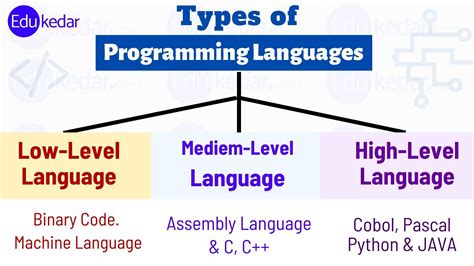
Other technologies matter for algorithms. Computing languages are ways to express algorithms. C++ or Python is vastly better than assembly language. The higher-level languages make the expression of ideas far easier and open up possibilities. Before, language algorithms were extremely limited and simple. There was a hard limit to the complexity you could tolerate in programming. The related technology is compilers, which translate the high-level language into something the computer can work with. We can see parallels to how cooking works. In many ways, programming languages are like utensils and knives used by a chef. The programmer is like the one with great skills for implementing the recipe. If you are cooking, your equipment is essential for how well a dish comes off. A mandolin can produce far better potato dishes than a knife. A ricer is great for creamy, consistent potatoes. In the same way, a high-level computer language can enable complex algorithms to be implemented.

“Controlling complexity is the essence of computer programming.” — Brian Kernighan

If we look at what a chef works with, you can see how important technology is. They use knives and spatulas to assist in the preparation of data and mix the ingredients. These tools are essential extensions of the human body or augment what we don’t easily do. The ovens and stoves are essential. Programming languages take our thoughts as instructions to be executed by the computer. In a real way, the languages are an extension of our minds. It is a way of structuring thinking into actions executed over and over. These are the recipes in the cookbooks of algorithms. The commands are the tools used to prep the data that the algorithms turn into action. These are the intellectual meals we create using computers. These have transformed society just as cooking is essential to human culture.

“An algorithm must be seen to be believed.” ― Donald Knuth,

Types of Recipes and Algorithms

“This is my invariable advice to people: Learn how to cook- try new recipes, learn from your mistakes, be fearless, and above all have fun!”― Julia Child

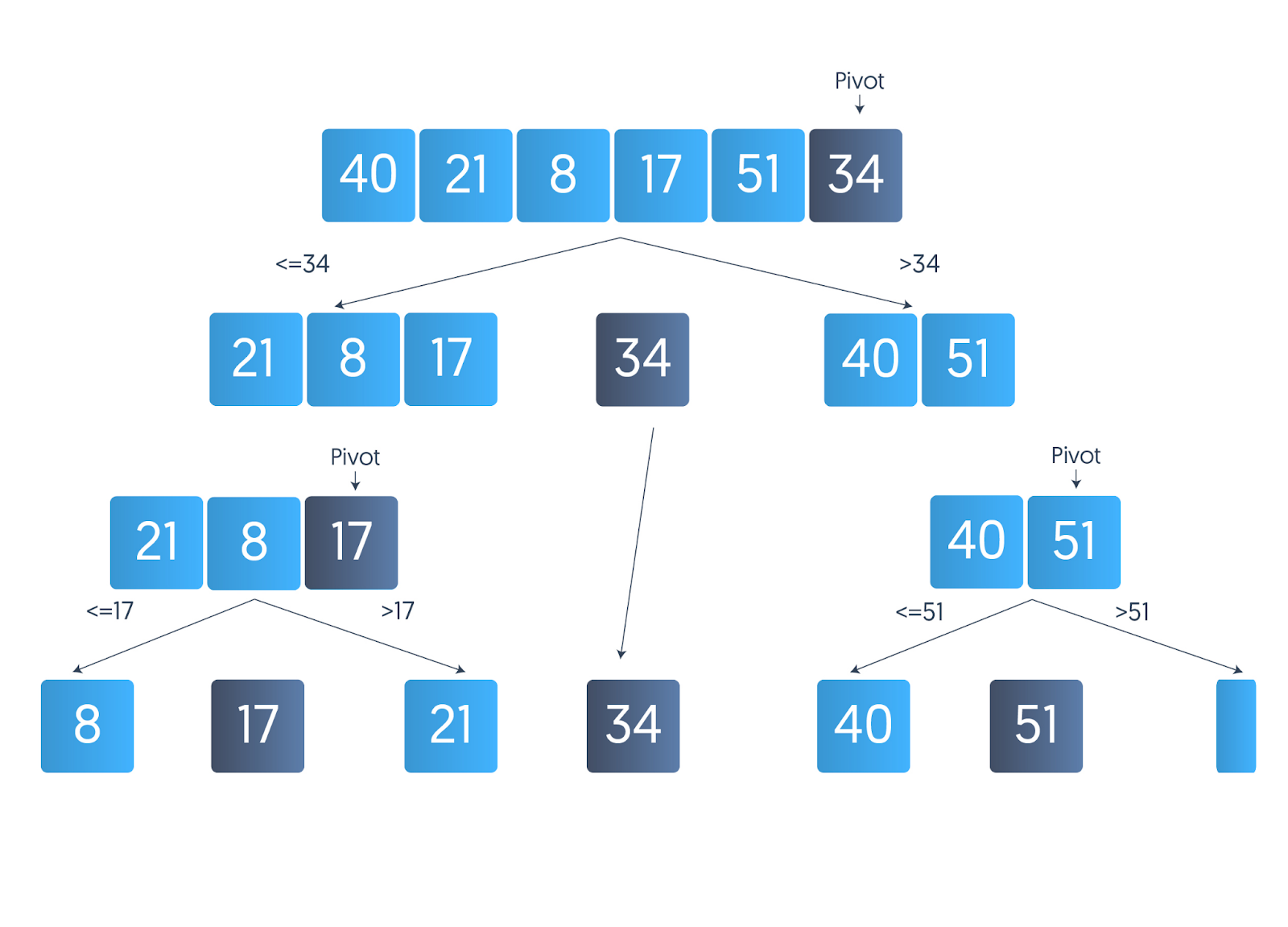
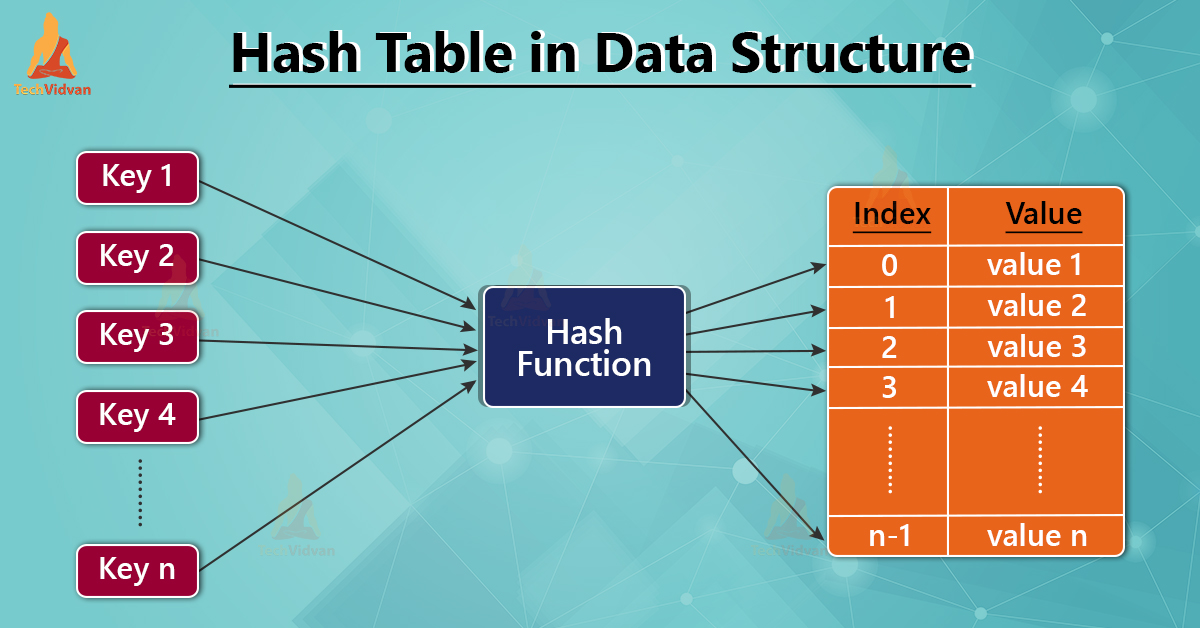
A useful thing to explore is the types of recipes and how they map onto algorithms. Perhaps the opposite direction is more compelling. With recipes, you have the staples, grandma’s comfort food, fast food, haute cuisine, and the cutting edge of food. We have the basic steps involving making sauces and the basic elements of recipes. These are direct analogies for algorithms of sorting, hash tables, and basic data structures. We can combine algorithms to create more complex techniques and codes for general purposes. In the same way, basic elements of recipes can be combined for something unique and special. Both algorithms and recipes have immense space for creativity and adaptability. In a special moment of creative energy, you may produce something unique and wonderful from the mixture of existing knowledge. True for either algorithms or recipes.

“Once you have mastered a technique, you barely have to look at a recipe again” ― Julia Child

Some recipes change the culinary world and become staples. The creation of the Reuben Sandwich combined pastrami beef with russian dressing, rye bread, sauerkraut and cheese. The Caesar salad has become standard worldwide. If you look at the pieces of the recipe, it is clear that the combination was inspired. It was a moment of sheer genius. Today, new recipes are being created by top chefs, ready to become popular and common in the future. In the same way, algorithms are created to change the world of computing. Google’s PageRank algorithm changed how the internet works, and its ideas power social media. Today, the LLMs creating trillions of value and visions of AI are derived from the Transformer algorithm. In each case, whether recipes or algorithms combine elements of simpler common techniques in new ways. These new ideas become the foundation of the future.

“Science is magic that works.” ― Kurt Vonnegut

Subscribe

  • Entries (RSS)
  • Comments (RSS)

Archives

  • February 2026
  • August 2025
  • July 2025
  • June 2025
  • May 2025
  • April 2025
  • March 2025
  • February 2025
  • January 2025
  • December 2024
  • November 2024
  • October 2024
  • September 2024
  • August 2024
  • July 2024
  • June 2024
  • May 2018
  • April 2018
  • March 2018
  • February 2018
  • January 2018
  • December 2017
  • November 2017
  • October 2017
  • September 2017
  • August 2017
  • July 2017
  • June 2017
  • May 2017
  • April 2017
  • March 2017
  • February 2017
  • January 2017
  • December 2016
  • November 2016
  • October 2016
  • September 2016
  • August 2016
  • July 2016
  • June 2016
  • May 2016
  • April 2016
  • March 2016
  • February 2016
  • January 2016
  • December 2015
  • November 2015
  • October 2015
  • September 2015
  • August 2015
  • July 2015
  • June 2015
  • May 2015
  • April 2015
  • March 2015
  • February 2015
  • January 2015
  • December 2014
  • November 2014
  • October 2014
  • September 2014
  • August 2014
  • July 2014
  • June 2014
  • May 2014
  • April 2014
  • March 2014
  • February 2014
  • January 2014
  • December 2013
  • November 2013
  • October 2013
  • September 2013

Categories

  • Uncategorized

Meta

  • Create account
  • Log in

Blog at WordPress.com.

  • Subscribe Subscribed
    • The Regularized Singularity
    • Join 55 other subscribers
    • Already have a WordPress.com account? Log in now.
    • The Regularized Singularity
    • Subscribe Subscribed
    • Sign up
    • Log in
    • Report this content
    • View site in Reader
    • Manage subscriptions
    • Collapse this bar
 

Loading Comments...