
tl;dr
Culture is something that surrounds us all the time. It’s virtually invisible, but all-consuming. Every day we navigate cultures mostly without ever knowing it. Acting in step with it and things are easy. Acting counter to it is full of friction. These cultures govern our norms of conduct and ultimately shape our lives. Workplaces have a culture both broad and local. These cultures typically are born when the place is established,be it a location or workplace. I have seen these play out in my own life most acutely at the two National Labs I worked at. Although their origins are common, the differences persist and make them very different. These cultures are overwhelmed by the culture of the Nation. Lately, this imperils the Labs with overwhelming toxicity.
“Culture eats strategy for breakfast.” ― Peter F. Drucker
Culture Envelops
All of us are swimming in cultures. There are the local and national cultures, organizational cultures, community cultures, and even family cultures. Each of these shapes our behaviors, norms, and expectations. All of these can have a positive or negative polarity. They influence our lives far more than most of us ever realize. They become so natural that they become imperceptible. The hardest thing to accept is when the culture becomes a limit on possibilities. That is a fact of life. Culture enables things; culture disallows things; culture assists you; culture gets in the way.

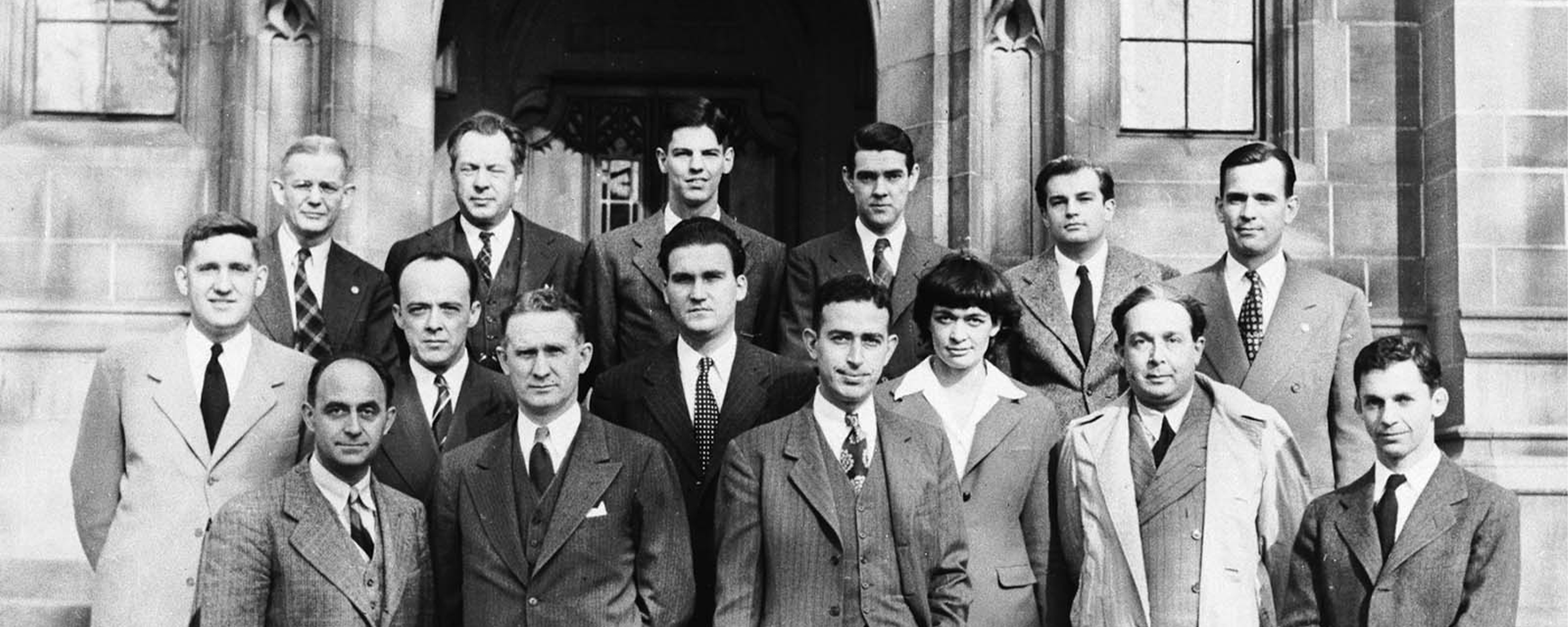
For me, this realization has been connected to the two places I’ve worked for most of my professional life. The places should be so similar, and yet the differences are maddening. These cultures are immersive. Both have great positive and energizing aspects. Both have terrible negative aspects. Some of the culture is timeless, and other aspects clash with modernity. The thing is that the two cultures were born together. The cool thing is you’ve all been introduced to it via a popular motion picture, Oppenheimer. Thus, the origins of the culture can be explained through things you’ve seen dramatized.
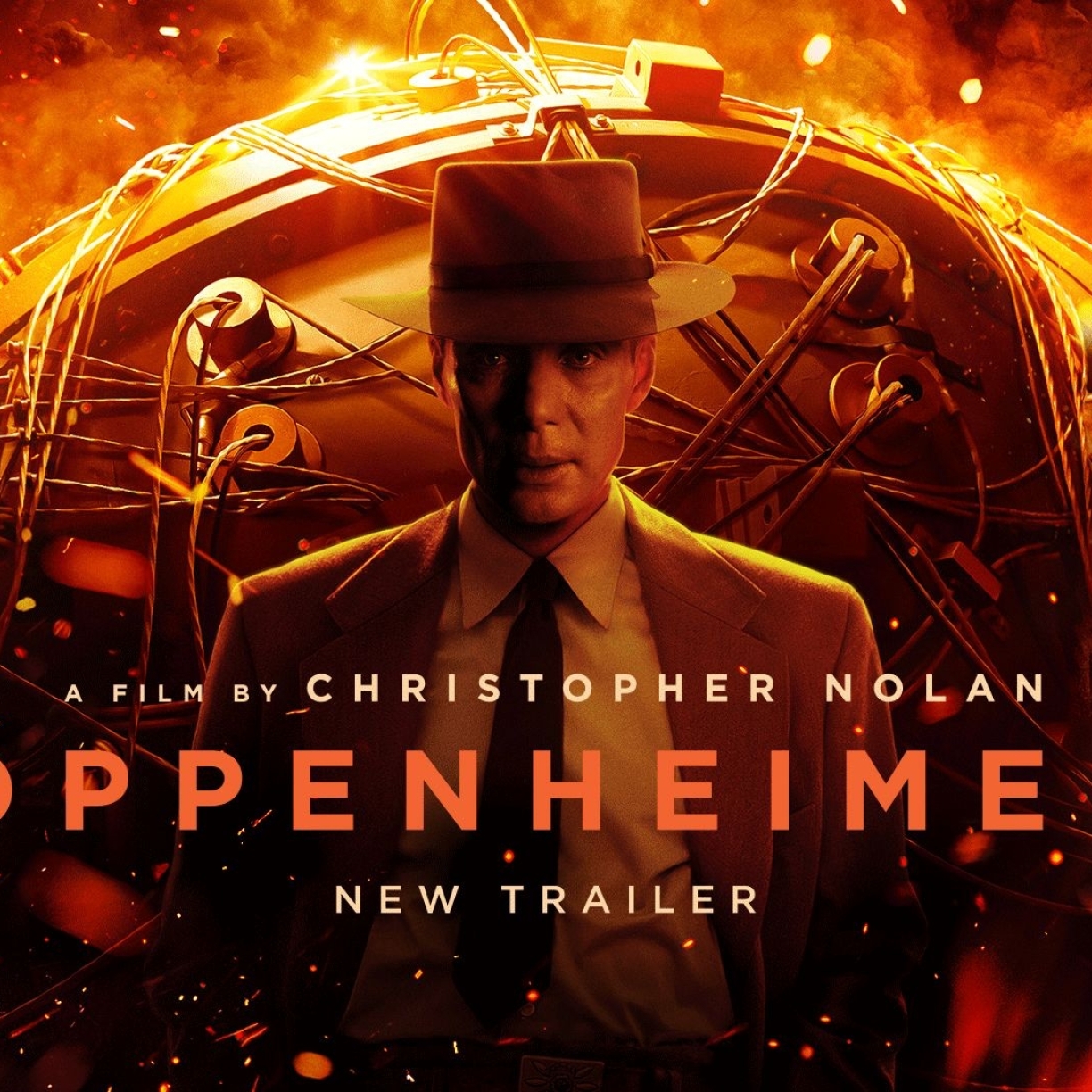
Los Alamos is the embodiment of Oppenheimer’s influence. Sandia is the embodiment of General Leslie Groves. The differences are profound, and the reasons are logical and deep. The consequences make these two places radically different in feel and basic performance. Both are also part of New Mexico and the United States. To varying degrees, these cultures clash with these organizational cultures. In recent years, the culture of the United States has been a drag on them, and to a large degree, has led to an erosion in most of what is good. Sandia has generally done better, being closer to American culture but further from New Mexico’s. Los Alamos has been savaged over the same time with a culture that is unacceptable in America today.

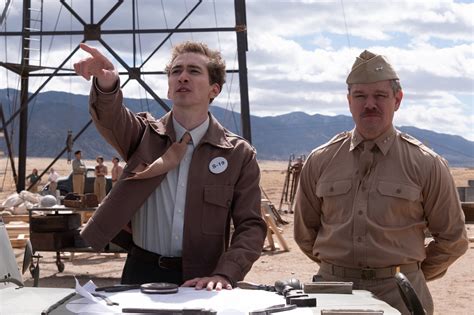
Now, let us delve into the origins of these cultures and what creates them.
“Biology enables, Culture forbids.” ― Yuval Noah Harari
Culture Lives Forever
“All over the place, from the popular culture to the propaganda system, there is constant pressure to make people feel that they are helpless, that the only role they can have is to ratify decisions and to consume.” ― Noam Chomsky
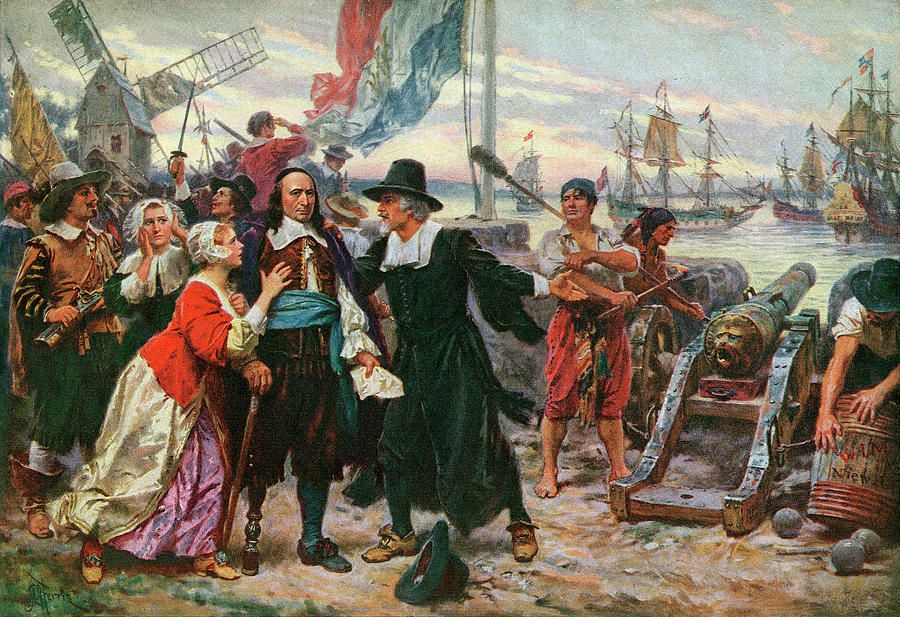
Cultures live well beyond the lives of those who establish them. Take New York City as an example. Before it was New York, it was New Amsterdam, a Dutch territory. At its founding and under Dutch rule, the city was inclusive and multicultural. It also had an aggressive business and merchandising nature. All of these characteristics persist to this day. Its transition to British rule, followed by American rule, did nothing to change any of this. The original culture of the city lives on to this very day. It will surely live on into the future.

The permanence of culture is something to notice. One of the things that culture does is provide seamless, smooth functioning of decisions that match the culture. Conversely, if decisions are counter-culture, they will encounter potentially endless resistance. Decisions that match the culture as easy and will go like second nature. Generally, management does not consider culture when coming up with its plans. They really don’t consider how to use the underlying culture to assist them or account for its resistance. The other thing that really stands in the way is a lack of willingness to be honest. Often, there are aspects of the culture that are negative or troubling. Management is often guilty of failing to recognize this.
“Shame corrodes the very part of us that believes we are capable of change.” ― Brene Brown
In the long run, culture change rarely works. Culture change happens in several key ways. The birth of a culture is usually from an epic or heroic period. If the culture goes on in the organization or place, it is because this epic struggle was a success. The other major way is in the midst of a crisis. If the entity survives the crisis, the culture that helped this survival takes over. Finally, the persistent action over and year or the action of a bigger culture will change things. The influence of the bigger culture, such as the regional or national culture, can change things. In the USA, the larger culture is evolving in terrible ways. It has been perverting most of what is good about National Lab cultures.
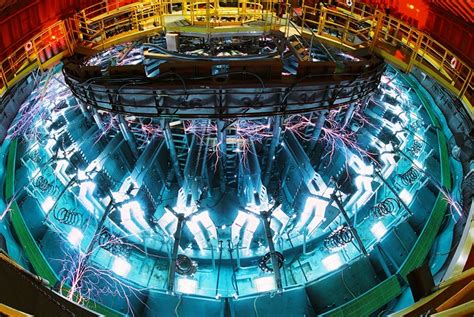
The most corrosive aspect of the National culture is the erosion of trust. This manifests itself as the rejection of experts and the turn away from Science and competence. The neoliberal embrace of money as the diety of worship only amplifies all this. This era is probably most defined by greed and the dominance of money over all. It has been building for 50 years. The labs swim in the toxic culture of today. Money and power are all that is good. Experts are to be suspect. The focus is short-term and myopic with self-interest ruling everything. In this environment, a culture of excellence cannot persist and becomes counter-culture.

“We seldom realize, for example that our most private thoughts and emotions are not actually our own. For we think in terms of languages and images which we did not invent, but which were given to us by our society.” ― Alan Watts
Culture Has Power
“How power is used in organizations determines whether it unites us with trust or divides us with fear” ― Hanna Hasl-Kelchner
When I moved from Los Alamos to Sandia, I experienced culture shock. While similar in structure and mission, the two labs have huge cultural differences. Los Alamos is physics; Sandia is engineering. Los Alamos is oriented toward collaboration and cooperation. Sandia is highly structured and organizationally divided. Even though the organization structures are similar. Los Alamos is a place where ideas mix. Sandia maintains stratification and division.
“Religion is a culture of faith; science is a culture of doubt.” ― Richard P. Feynman
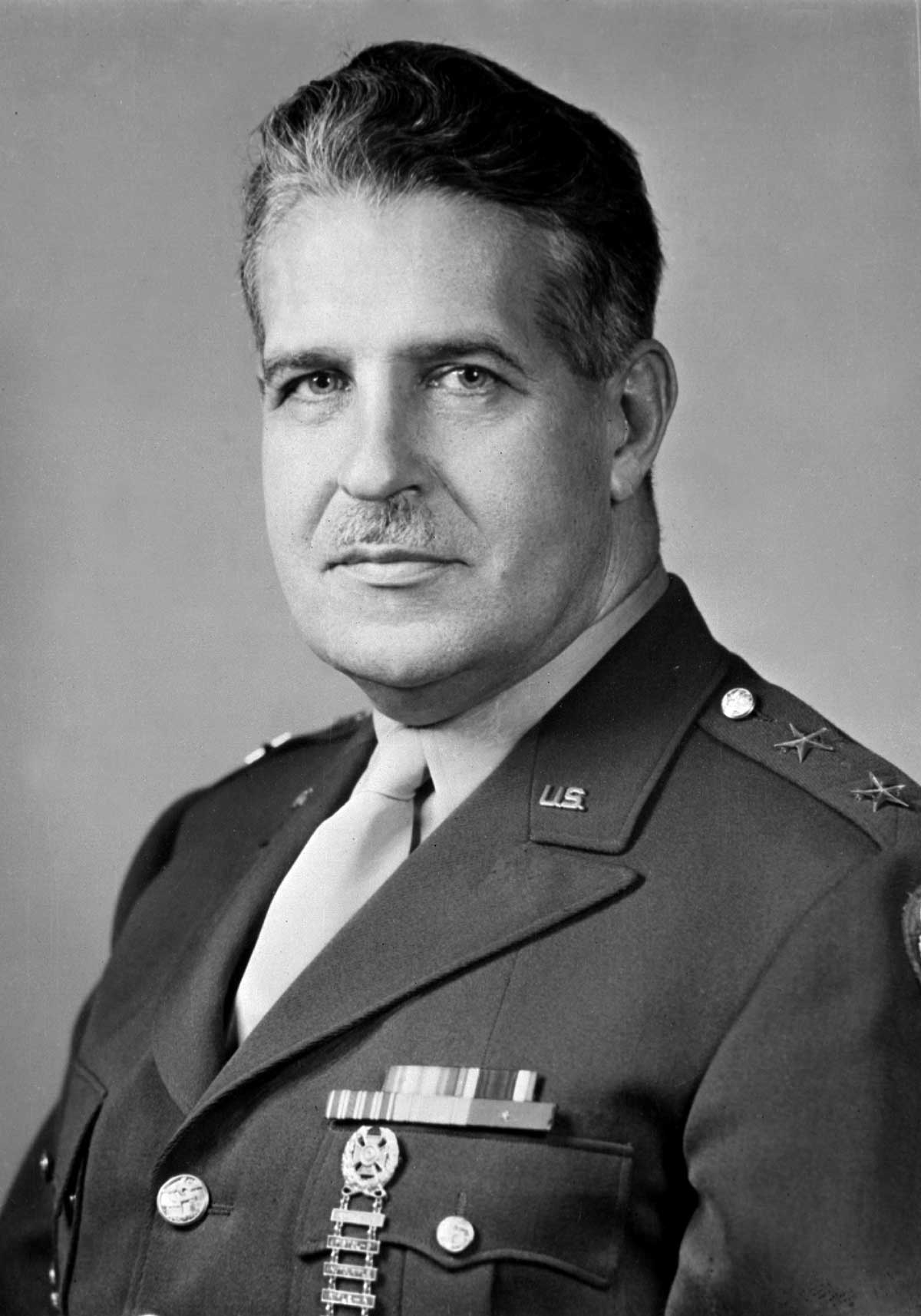

It is the sharing of information and communication where the cultural differences become clear. Both Labs operate under the same laws and rules governed by the same agencies. The differences in information policy go back to the origin of the Labs. Robert Oppenheimer, the founder of Los Alamos was about sharing and mixing ideas and experts. General Leslie Groves was all about strict control and enforcement of need-to-know rules. If you work on Nuclear Weapons at Los Alamos, the need-to-know rules are broad and inclusive. At Sandia, the same thing is narrow and exclusive. The impact on the Labs and their culture is profound. It is also frustrating as a scientist. My belief is that it places security concerns over productivity and discovery. In the modern information age, the differences are deeper. Information is the real power of today. Sandia puts itself at a real disadvantage because of its culture.
“Life is rarely about what happened; it’s mostly about what we think happened.” ― Chuck Klosterman
A deeper conflict is afoot. The broader American culture is slowly strangling each Lab. Los Alamos’ culture has largely been crushed and deformed by the Nation’s culture. Gone is the freedom and confidence of its origin. This was typified by the “butthead cowboy” label by the incompetent former director, Nanos. Nanos was a failure from the beginning because he clashed with the Lab culture. He was absolutely hated by the Lab. Nanos was simply the vangaurd of society’s assault on the Lab.

This lack of trust and loss of societal faith in experts has damaged Los Alamos deeply. Sandia is not immune. The same forces that destroyed the engineering culture at Boeing are present at Sandia. These forces are delivered by the Nation’s culture, where money replaces competence as the organizing principle. Corruption and greed have replaced responsibility and duty. The Nation no longer allows a company or lab organized around technical excellence to exist. They only exist if they don’t conflict with short-term profits. The excellence of these cultures has been crushed by societal incompetence. Excellence and competence cannot withstand the assault from every direction by the broken National culture.
“You don’t have to burn books to destroy a culture. Just get people to stop reading them.” ― Ray Bradbury

The National culture problems are like an undiscovered cancer. It spreads unnoticed, and by the time you can see it, it might be too late. The cancer in our culture should be obvious. The problem is all of us are the problem. MAGA and Trump should be viewed as a pure malignancy. The whole movement is a rancid tumor on the national psyche. By the same token, Trump and MAGA are not the problem, but rather a mirror of a corrupted society.
All the things smothering the Labs are evident. The lying, bullshit, lack of trust, with rejection of expertise are present. The corruption and valuing of money over all else is obvious. The USA is a place where great National Labs cannot flourish. The broad devaluation of the rank-and-file person is there. Only the most powerful people matter, and the rest of us are expendable. No company, organization or Nation can thrive with these values, but these seem to be America today.
“There is a cult of ignorance in the United States, and there has always been. The strain of anti-intellectualism has been a constant thread winding its way through our political and cultural life, nurtured by the false notion that democracy means that ‘my ignorance is just as good as your knowledge.” ― Isaac Asimov
 The Regularized Singularity
Interesting! I’m passing this on.